Which coin has the lowest fees for a game code
By the Loothouse team · Updated August 30, 2026
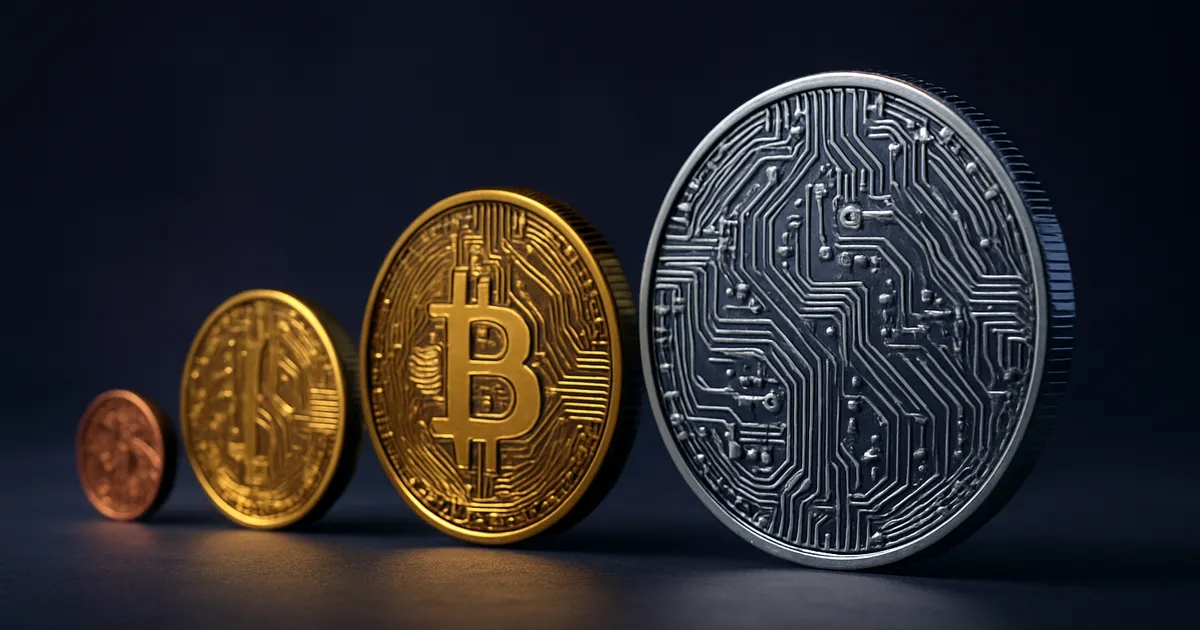
When you pay for a game code with crypto, the price is fixed in US dollars, so the coin you choose does not change the cost of the code. It changes one thing: the network fee the blockchain charges to move your crypto. On a small code, that fee is the difference between paying the card price and paying a few dollars more.
Cheapest to most expensive
- Stablecoins on a low-fee network (USDT, USDC on a cheap chain) — typically a few cents. The best choice for a small code.
- Low-fee coins like Litecoin — cheap and fast, a solid middle option.
- Ethereum — reasonable when the network is quiet, costly when it is congested.
- Bitcoin — fine for larger totals, but the fee climbs sharply when the network is busy, so it is a poor fit for a $9–$20 code.
Timing matters too
Network fees rise and fall with how busy a chain is. If you are not in a hurry, sending during a quieter period can noticeably cut the fee — this is most visible on Bitcoin and Ethereum. Stablecoins on cheap networks stay low regardless, which is why they are the safe default for a small purchase.
Don't let the fee come out of the payment
The other way people overpay is by letting the wallet deduct its fee from the amount sent, leaving the transfer below the quote. Add the fee on top so the exact payment-page amount arrives. If it is short, contact support and do not send another transfer unless instructed.
In short: for a single code, pay with a stablecoin on a low-fee network, send the exact amount, and the fee all but disappears. Then pick your product — Robux, V-Bucks, or anything in the catalog.